Returning to Bangladesh after ten years felt like opening a chapter of my life I’d long forgotten, yet one that was waiting patiently for me to rediscover. My latest Sabirul on the Move vlog series is more than a travel experience; it’s a personal story of identity, heritage, community, and the emotional power of reconnecting with where you truly come from. This blog serves as a deeper reflection on my experience so far in Sylhet, what I’ve learned, and why I believe you should consider making this journey yourself.
The Journey Begins: Heathrow to Sylhet
The trip started at Heathrow Terminal 4, where despite the terminal lacking decent food options (seriously, Heathrow needs to fix that), the excitement I felt was unlike any previous travels. This wasn’t just a holiday. It was a return, a journey to my forgotten roots. Flying Biman Bangladesh Airlines for the first time was a mixed bag, with smooth check-in but some issues with inflight entertainment and comfort. Still, the anticipation made everything else background noise.
Landing in Sylhet was when the emotions truly hit. After a decade away, stepping out into the warm evening air and hearing the buzz of this vibrant region felt surreal. But nothing could prepare me for the welcome family members rushing forward with flowers, gifts, and overwhelming affection. That single moment reminded me exactly what I’d been missing all these years: the irreplaceable warmth of home and community connection.
The First Steps Into Village Life in Sylhet
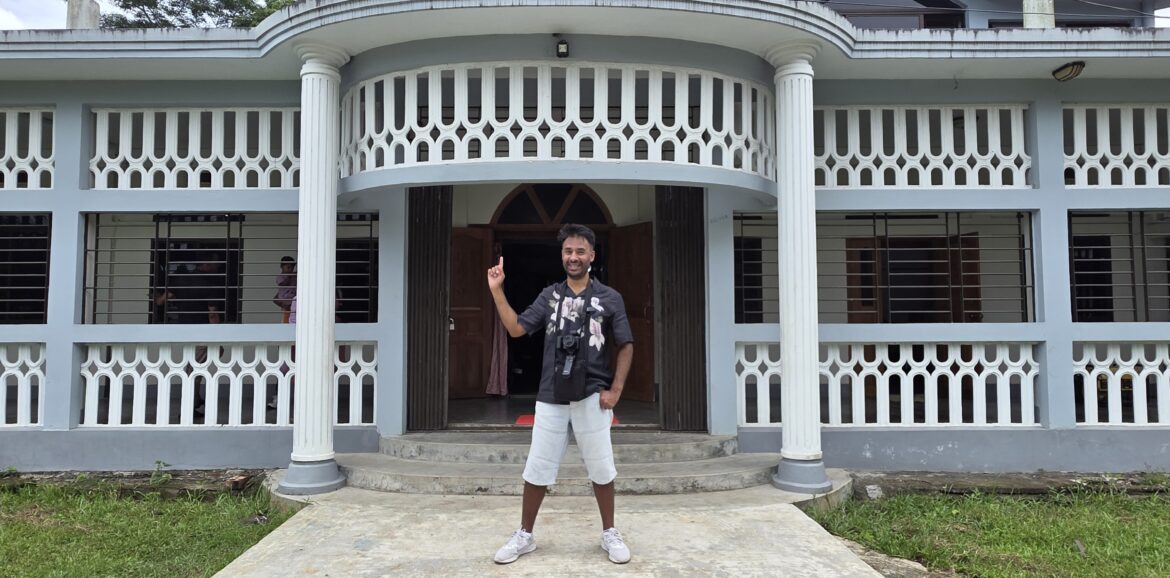
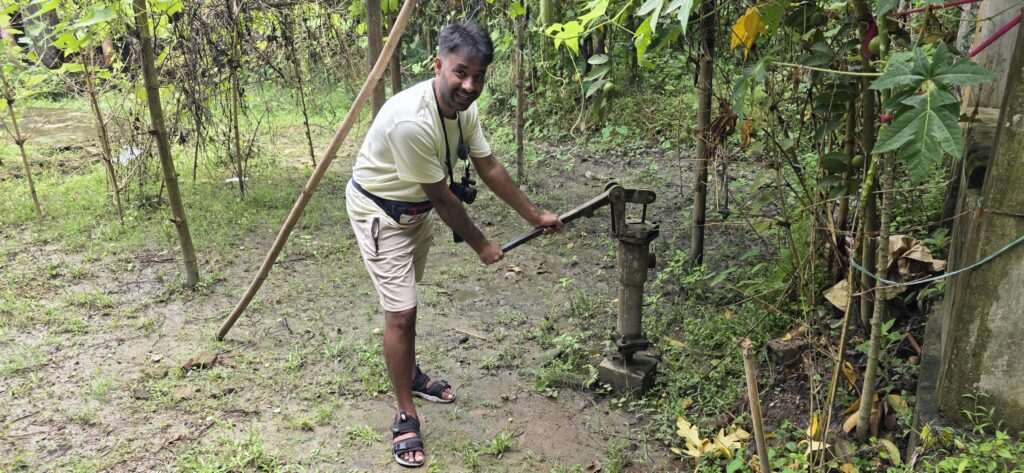
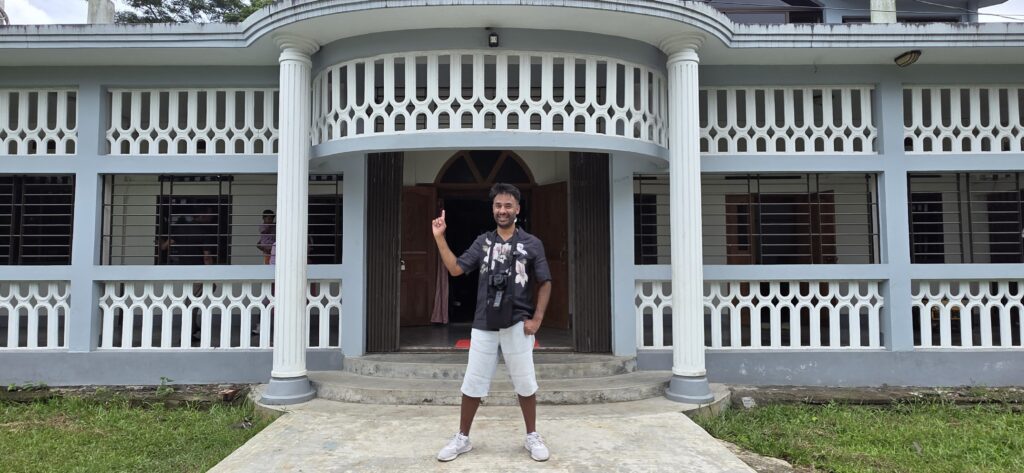
Arriving at my grandfather’s home, now renovated by my uncles and family was an emotional experience. Walking the same pathways my grandparents once walked, standing on the rooftop overlooking the lush greenery, hearing chickens in the background, seeing cows, and smelling the clay-rich earth made me feel grounded in a way I haven’t felt anywhere else in the world. This is where my history lies, I found myself saying again and again.
From there, I visited my mum’s village in Kutub Pur, a place even more rural, even more communal, where everyone knows everyone and looks out for each other. It was a stark contrast to the more developed side of my dad’s village, yet both had their charm and cultural significance.
Rediscovering Simplicity and Hard Work in Sylhet
What humbled me most was seeing the daily graft of village life. Every morning, workers were out early chopping wood, building outhouses, preparing food over traditional firewood stoves, and tending to their shops in the local bazaars. There were no shortcuts. Everything required effort, real, physical labour.
Watching men carve logs with machetes at sunrise, seeing women wash dishes in small ponds, and observing locals balance across bamboo bridges made me reflect deeply on how easy life is back in London, and how much we take for granted.
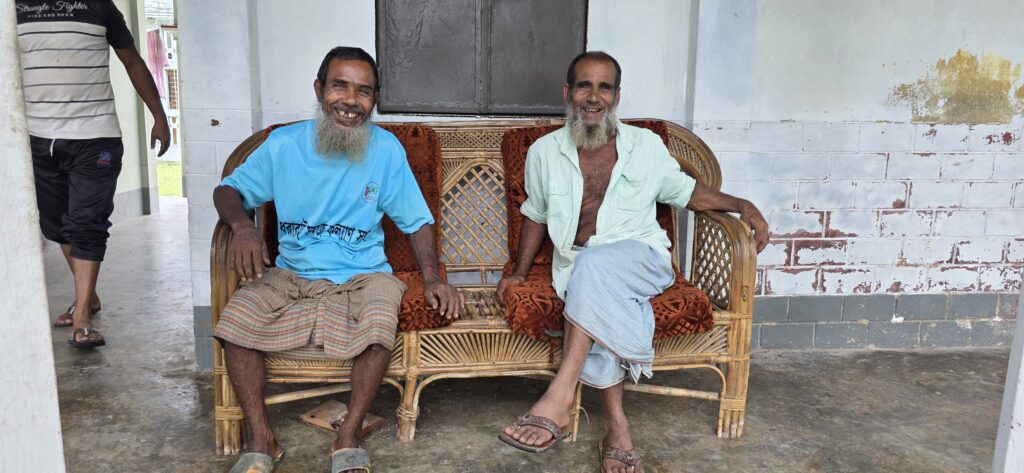
One moment that stayed with me was when a villager stopped me on my walk simply to gift me fresh guava from his tree, no expectations, no agenda. Just kindness. That interaction reminded me that community here isn’t a concept; it’s a lived reality. People share what little they have because relationships matter more than possessions.
Exploring the Local Bazaars: The Beating Heart of Sylhet
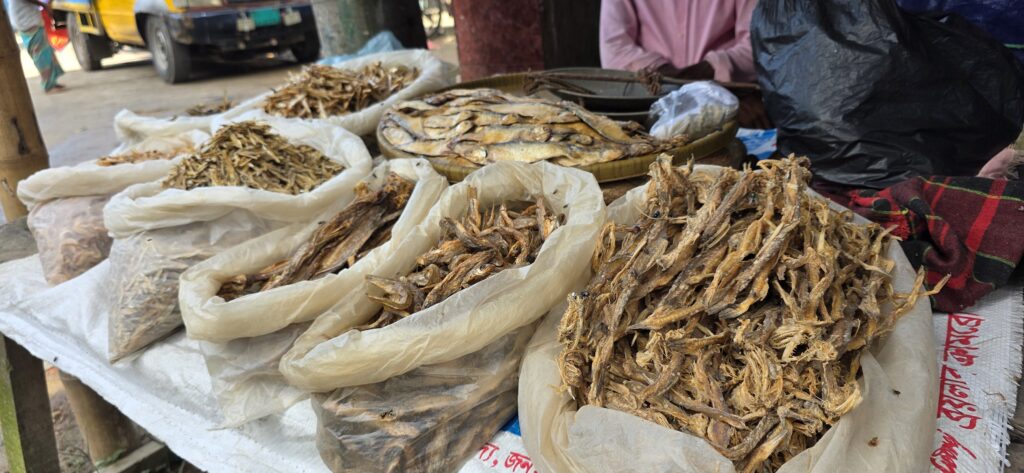
No trip to Sylhet is complete without immersing yourself in a local bazaar. I experienced multiple bazaars, Nazir Bazaar, Pirar Bazaar, and the main Biswanath bazaar, and each had its own chaotic charm. From betel nut stalls to mountains of dried fish (Shutki), from colourful fruit stands to small household goods shops, every corner was buzzing with stories, faces, and energy. It felt like stepping inside the living core of everyday Bangladeshi life.
Learning to See Life Through a Different Lens
This trip to Sylhet wasn’t just about seeing Bangladesh. It was about experiencing it through the eyes of its people, my people.
Here’s what I’ve learned so far:
1. Community is everything.
Whether in Kutub Pur or Biswanath, people live interconnected lives. When you walk, you greet. When you meet, you share. When you leave, you take a piece of each encounter with you.
2. Heritage matters.
Seeing the road named after my grandfather, Ahmed Ali Road, reminded me of the legacy he left behind a legacy of helping others, providing for neighbours, and uplifting the community. It inspired me to think about what legacy, what I want to leave behind.
3. Hard work shapes character.
The villagers’ resilience, from dawn till dusk, made me rethink the modern habits of convenience we all indulge in. Their lifestyle is tough, but their hearts are softer than most.
4. Nature is healing.
Walking barefoot near ponds, balancing across tree-log bridges, feeling monsoon rain on my skin, and hearing nothing but birds and breeze these moments slowed my mind in ways London never does.
5. Gratitude grows when comfort disappears.
Cold showers, unpredictable electricity, muddy paths, and basic living conditions force you to recognise the luxuries you forget to appreciate back home.
Why You Should Visit Rural Sylhet
If you’re planning a trip to Bangladesh, don’t limit yourself to Dhaka or the major tourist spots. Village life is where you’ll find authenticity.
Here’s what you’ll gain:
- A true cultural immersion: You’ll understand Bangladeshi traditions beyond the surface.
- A connection to nature: Slower, greener, cleaner living.
- Warm hospitality: Bangladeshi villagers are some of the most generous people you’ll ever meet.
- Perspective: You’ll come back more grounded, appreciative, and emotionally awake.
- Stories you can’t find anywhere else: Small moments become the biggest memories.
This vlog series is my attempt to show the real Sylhet, the rural landscapes, the bazaars, the people, the heritage. If my experience encourages even one person to reconnect with their roots or explore this stunning region, I’ll consider it a success.